
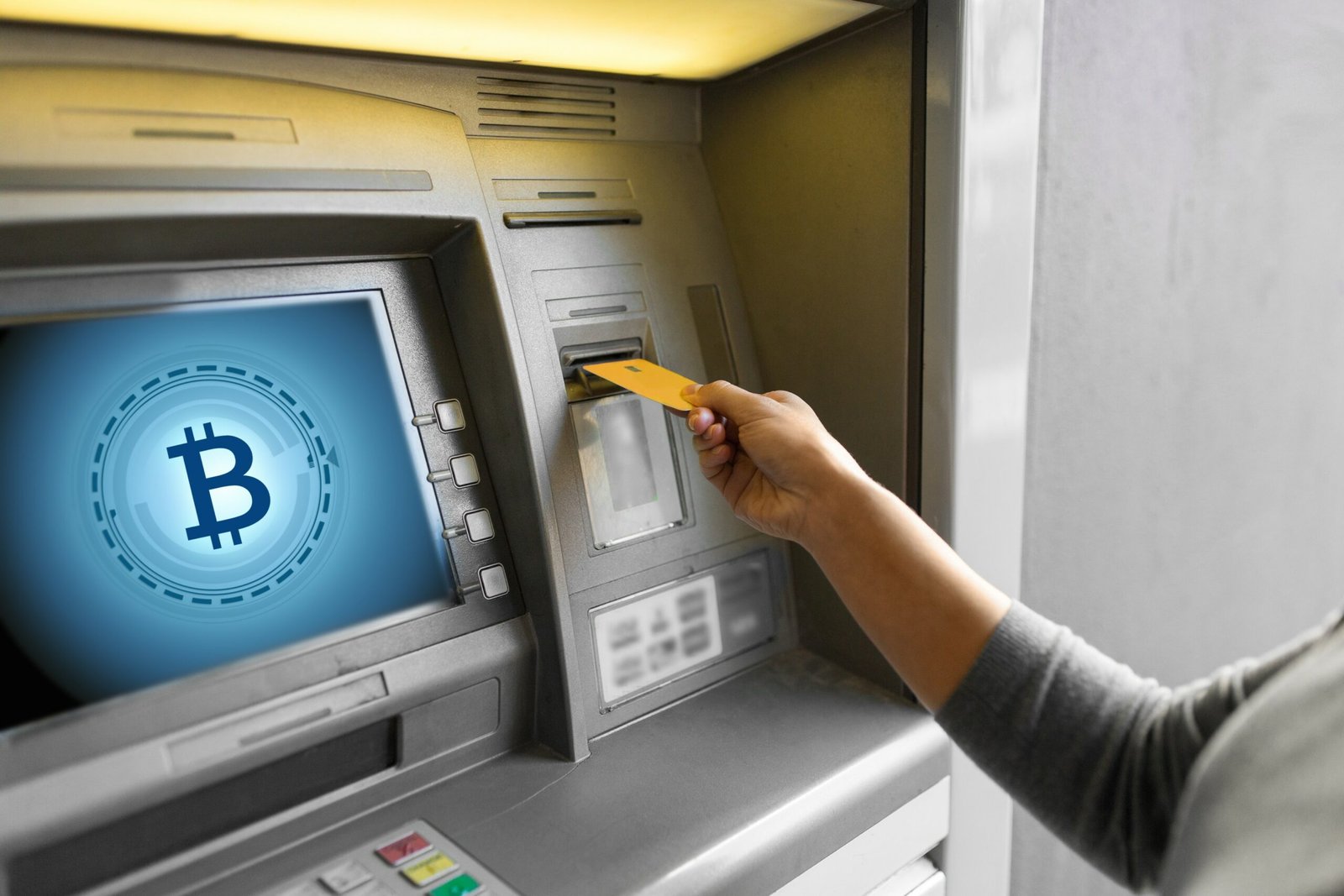
Crypto ATMs link traditional finance with digital assets by enabling cash-to-crypto or crypto-to-cash exchanges at physical kiosks. They verify intent and identity per local KYC/AML rules, capture wallet addresses, quote real-time rates, and apply fees. Transactions are monitored with risk checks, data logs, and audit trails, while limits and disclosures govern access. Security, device integrity, licensing, and privacy controls shape compliant operation. Operators and users should consider regulatory changes and risk before proceeding.
What Crypto ATMS Do and How They Fit Into Crypto Access
Crypto ATMs provide a bridge between traditional financial networks and digital asset ecosystems by enabling users to buy, sell, or swap cryptocurrencies at physical kiosks. They contribute to crypto adoption by offering accessibility and anonymity within regulatory frameworks.
Operators face regulatory compliance challenges, balancing consumer protection with innovation, ensuring KYC/AML controls, and aligning with evolving policies to sustain lawful, resilient access to funds.
How a Crypto ATM Processes a Purchase or Sale Start to Finish
A crypto ATM initiates a purchase or sale by first enforcingIdentity and intent checks, then aligning with local regulations before any transaction data is exchanged.
The purchase flow unfolds through verification, wallet address capture, and rate alignment, with ongoing risk assessment.
Security considerations surface in data handling, device integrity, and compliant recordkeeping, balancing user freedom with regulatory safeguards and procedural transparency.
Fees, Limits, and Security Considerations for Crypto ATM Use
Fees, limits, and security considerations shape crypto ATM use by setting upfront cost structures, transactional ceilings, and protective controls that balance user access with regulatory compliance.
The framework emphasizes transparency around fees and limits, while enforcing robust security considerations to deter fraud and protect identity.
Operators align practices with risk assessments, ensuring lawful transaction pathways, auditability, and consumer confidence without compromising freedom.
What to Watch for When Choosing a Crypto ATM and Staying Compliant
When selecting a crypto ATM, practitioners should rigorously assess device security, operator legitimacy, and compliance mechanics before initiating any transaction.
The analysis emphasizes risk-aware evaluation of software integrity, privacy controls, and audit trails, alongside verification of licensing and geographic constraints.
Compliance challenges and KYC pitfalls should be anticipated, with documented procedures for dispute resolution, data protection, and transparent fee disclosures guiding responsible use.
Frequently Asked Questions
Do Crypto ATMS Support All Cryptocurrencies?
Crypto ATMs do not support all cryptocurrencies. The selection reflects cryptocurrency diversity and exchange limitations, often favoring popular coins. Analysts note regulatory risk, compliance requirements, and jurisdictional constraints shaping which assets are accessible to users seeking freedom.
How Long Does a Withdrawal From a Crypto ATM Take?
Withdrawals from a crypto ATM typically complete within minutes to hours, depending on network congestion and security checks. Speed limits and network latency influence timing; regulators may impose hold periods, ensuring risk-aware, compliant access for freedom-seeking users.
Can I Reverse a Transaction at a Crypto ATM?
An example shows a reversal request rarely granted; most crypto ATM networks do not permit post-transaction reversals. The risk-aware, regulatory-focused view notes transaction delays and fee transparency issues, with limited recourse despite a desire for freedom.
Are There Identity Requirements Beyond Standard KYC?
Identity verification beyond standard KYC varies by jurisdiction and operator, with additional thresholds triggering enhanced checks. The analysis notes heightened regulatory compliance risk, emphasizing potential limits, monitoring, and recordkeeping, appealing to freedom-seeking users while ensuring lawful using.
What Happens if the ATM Cannot Complete a Transaction?
When a transaction cannot complete, the ATM flags a transaction failure and halts the process, invoking retry logic only after ensuring risk controls, regulatory compliance, and auditability are satisfied to protect the user and operator alike.
See also: How to Secure Your Digital Life
Conclusion
Crypto ATMs offer convenient access to digital assets, yet operate within a tightly regulated frame. While they streamline purchases and redemptions, they also hinge on robust KYC, ongoing risk checks, and transparent fee structures. Users should assess privacy, data handling, and device integrity, recognizing potential compliance gaps and fee variability. Thoughtful selection and prudent limits help balance access with protection. In short, navigate these machines with informed caution, acknowledging regulatory guardrails while pursuing compliant, low-risk crypto experiences.
