
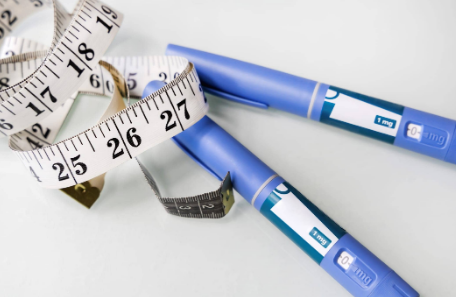
If you are exploring the connection between GLP-1 and sleep apnea, the question often comes down to whether GLP-1 therapies might influence sleep apnea symptoms. While GLP-1 medications are primarily known for their role in metabolic conditions, research and user experiences suggest potential indirect effects on sleep apnea through weight management and metabolic improvements. However, GLP-1 treatments are not a direct cure or established therapy for sleep apnea, and understanding their role requires careful evaluation of the current evidence, risks, and alternative options.
What Is GLP-1 and How Might It Relate to Sleep Apnea?
GLP-1, or glucagon-like peptide-1, is a hormone involved in regulating blood sugar and appetite. Medications that mimic GLP-1 are widely used to manage type 2 diabetes and support weight loss. Since obesity is a significant risk factor for obstructive sleep apnea, some have considered whether GLP-1 therapies could indirectly improve sleep apnea by promoting weight reduction.
It is important to note that GLP-1 treatments focus on metabolic health and are not designed to target sleep apnea directly. Improvements in breathing during sleep might occur as a secondary effect if weight loss is achieved, but this is not guaranteed and results can vary widely.
Common Questions About Using GLP-1 for Sleep Apnea
Is GLP-1 approved for treating sleep apnea?
No, GLP-1 medications are not approved or prescribed specifically for sleep apnea. Their role is mainly for diabetes care and weight management.
Can GLP-1 alone cure or significantly improve sleep apnea?
Current evidence does not support the use of GLP-1 as a standalone treatment for sleep apnea. Weight loss resulting from GLP-1 therapy might help reduce symptoms in some cases, but other established treatments remain primary.
What are the typical side effects of GLP-1 therapies?
Common side effects include nausea, digestive discomfort, and occasionally more serious effects such as pancreatitis or gallbladder issues. Anyone considering these medications should discuss risks with a healthcare provider.
Better Criteria for Evaluating GLP-1 Options in the Context of Sleep Apnea
If you are considering GLP-1 therapies partly due to concerns about sleep apnea, it is vital to look beyond marketing claims and focus on practical aspects to make an informed choice.
Effectiveness for target goals
Evaluate whether the GLP-1 therapy has demonstrated results for weight loss or metabolic control in clinical studies. Since weight loss is the likely pathway to any sleep apnea benefit, this is key.
Safety profile
Review common and rare side effects, contraindications, and interactions with other medications or health conditions.
Dosing and administration
Consider how the medication is taken, frequency, and any challenges in adherence.
Cost and insurance coverage
GLP-1 therapies can be costly, so affordability and coverage options impact long-term use.
Support and monitoring
Access to medical supervision and follow-up is essential when starting a GLP-1 medication to manage side effects and track progress.
Practical Evaluation Framework for GLP-1 Use Related to Sleep Apnea
1. Identify your primary health goals: Are you aiming for weight loss, better blood sugar control, or sleep apnea symptom relief? Clarifying this helps prioritize treatment options.
2. Consult a healthcare professional: Discuss your sleep apnea diagnosis and whether GLP-1 therapy is appropriate in your situation alongside standard sleep apnea treatments like CPAP or oral appliances.
3. Review clinical evidence: Look for up-to-date research or clinical trials that explore the relationship between GLP-1 therapies and sleep apnea improvement.
4. Assess personal risk factors: Existing health conditions, medication interactions, and side effect tolerance should guide decisions.
5. Consider lifestyle and behavioral changes: Weight loss and sleep apnea management often require diet, exercise, and sleep hygiene adjustments.
6. Plan for ongoing evaluation: Track any changes in sleep quality, breathing patterns, and overall health to determine if the therapy aligns with your expectations.
For those interested in a detailed side-by-side examination of GLP-1 options that may relate to sleep apnea management, the full FormBlends comparison offers a comprehensive look at currently available peptides and formulations.
Short FAQs About GLP-1 for Sleep Apnea
Can GLP-1 therapy replace CPAP or other sleep apnea treatments?
No. CPAP therapy and other established interventions remain the first-line approach for managing sleep apnea. GLP-1 treatments do not replace these.
Is weight loss always effective in reducing sleep apnea symptoms?
Weight loss can improve sleep apnea severity for many individuals, but it is not universally effective, and some people may still require additional treatments.
Are all GLP-1 medications the same when it comes to potential effects on sleep apnea?
No. Different GLP-1 therapies vary in formulation, dosing, and side effect profiles. Their indirect effects on sleep apnea can differ as well.
Final Note
This article is intended for informational purposes only and does not substitute professional medical advice. Always consult your healthcare provider before starting or changing any treatment related to sleep apnea or metabolic health.
