
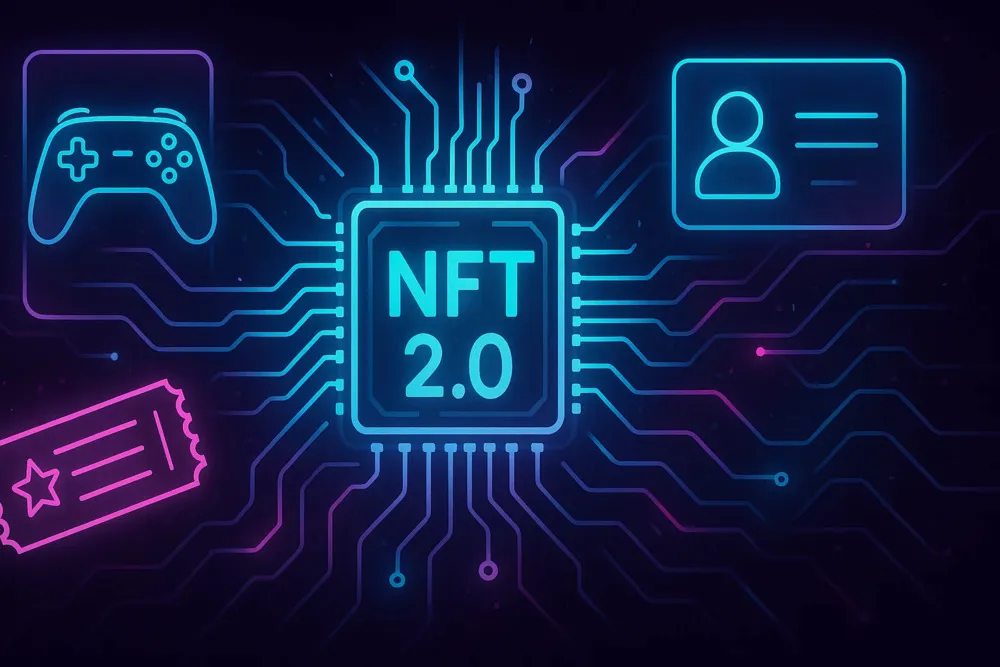
NFTs extend well beyond art, enabling immutable provenance, verifiable ownership, and auditable histories across sectors. They support data-driven provenance, tamper-evident transfers, and transparent governance. In retail and real estate, tokenized utilities, access, and loyalty programs improve trust and efficiency. Ticketing, identity, and entry systems gain interoperability and strengthened security. Yet challenges remain in scalability, standards, and environment impact; the path forward hinges on measurable adoption, value creation, and interoperable metadata.
How NFTs Enable Provenance Beyond Art
NFTs enable provenance beyond art by recording immutable, verifiable transaction histories on blockchain networks, creating a transparent chain of custody for any asset. This framework supports provenance verification across industries, reducing opacity and enabling auditability. Data-driven implications include standardized metadata, tamper-evident records, and traceable ownership transitions, while strategies address antimarket manipulation and resilient trust, guiding scalable, freedom-forward asset verification.
NFT-Driven Utilities in Retail and Real Estate
NFT-driven utilities in retail and real estate leverage tokenized access, loyalty, and asset management to create verifiable, frictionless interactions across systems. The approach emphasizes provenance beyond art and scalable access control use cases, supporting transparent auditing and customer empowerment. Data-driven projections suggest increased trust, reduced fraud, and cross-platform interoperability, enabling freer consumer choice while optimizing asset performance and lifecycle management.
Tickets, Identity, and Access: Practical NFT Use Cases
Tickets, Identity, and Access illustrate how NFTs enable verifiable, frictionless interactions across events, facilities, and digital ecosystems.
Data suggests reduced counterfeit risk and streamlined entry flows, while cross-domain verification enhances interoperability.
For forward-looking ecosystems, tickets and identity merge with access and utilities, enabling personalized, permissioned experiences, flexible ownership, and auditable usage patterns that empower participants while preserving privacy and freedom.
Overcoming Challenges and Measuring Impact With NFTS
Despite rapid adoption, NFT implementations face practical challenges such as interoperability gaps, fluctuating on-chain costs, and data integrity concerns.
The discussion shifts to overcoming convergence challenges through standardized protocols, scalable metadata solutions, and governance frameworks.
Measurable progress hinges on impact metrics—tracking adoption velocity, stakeholder value, and environmental trade-offs—while data-driven analyses illuminate where interoperability and cost controls unlock broader, freedom-oriented deployment beyond art.
Frequently Asked Questions
How Can NFTS Support Charitable Giving and Donations?
NFTs enable charitable giving by linking donor provenance to transparent impact tracking, allowing real-time verification of contributions and outcomes; this data-driven approach can attract diverse funders, enhance accountability, and empower future-ready, freedom-oriented philanthropic strategies.
What Are NFT Royalties and Creator Earnings Beyond Art?
NFT royalties and creator earnings refer to ongoing percentages from secondary sales and initial sales, potentially expanding beyond art. Blockchain nonprofit environments could leverage donor engagement analytics to optimize funding, transparency, and scalable, data-driven creator revenue models.
Can NFTS Assist in Supply Chain Transparency for Non-Profits?
NFTs can assist non-profit supply chain transparency by recording provenance and transfers on a immutable ledger, enabling auditable traceability. The approach emphasizes NFT governance and blockchain audits to ensure data integrity, accountability, and freedom through verifiable, data-driven insights.
How Do NFTS Enable Educational Credential Verification?
Education verification emerges via verifiable, tamper-evident records: credentials issuance is streamlined, governance transparency improves, and donor tracking becomes precise. NFT-enabled systems provide data-driven assurance for education verification, credential issuance, governance transparency, and donor tracking in a forward-looking framework.
Are NFTS Usable for Digital Identity in Government Services?
Yes, NFTs can support digital identity in government services, offering verifiable records, auditability, and cross-border portability; they may enhance supply chain transparency, non profits governance, and educational credential verification, while enabling creator earnings and informed, freedom‑awaiting policy design.
See also: How to Secure Your Digital Life
Conclusion
NFTs prove remarkably versatile beyond art, delivering immutable provenance, transparent ownership, and tokenized utilities across industries. Data-driven networks show provenance trails, tamper-evident transfers, and auditable histories boosting trust and efficiency. In retail and real estate, tokenized access and loyalty programs promise measurable gains in engagement and asset management. Tickets, identity, and access unlock interoperability while governance and metadata standards address scalability and environmental concerns. If adoption accelerates, NFT utility may become the new default for trustworthy, efficient, verifiable systems.
